Product Description
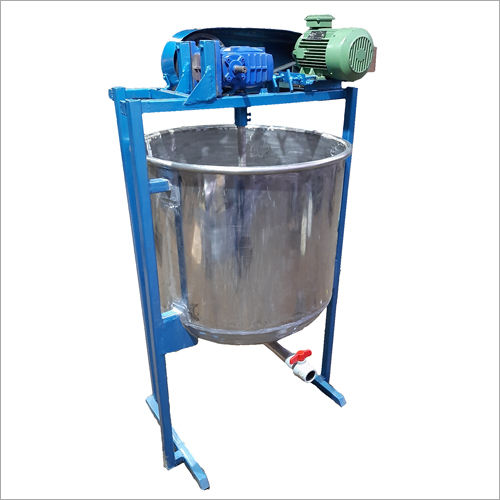
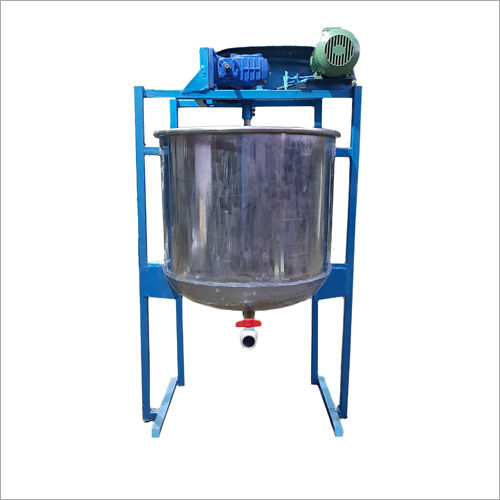
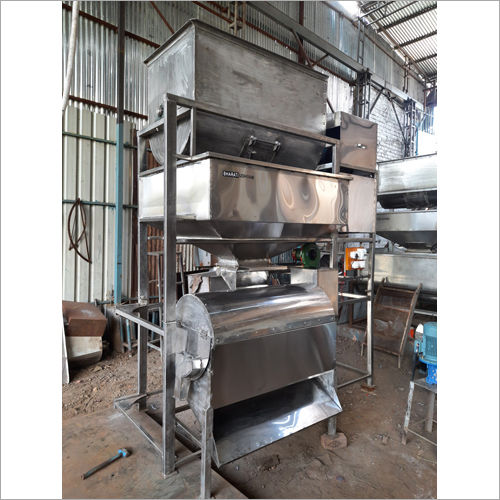
Chemical blenders mix raw materials to create chemical compounds. They use specialized tools and equipment to measure and mix chemicals in precise amounts to create the desired compound. They must be knowledgeable in the properties and characteristics of the chemicals they are working with, as well as safety protocols to ensure the safety of themselves and others. Chemical blenders may work in a laboratory or in an industrial setting.
Precision Engineering for Diverse ApplicationsEngineered to handle critical blending processes, these blenders are tailored for industries such as chemical manufacturing, pharmaceuticals, cosmetics, and food processing. Their robust construction, advanced sealing systems, and variable speed agitators ensure consistent and uniform mixing results even for demanding formulations.
Flexible Installation and OperationChoose between skid-mounted or fixed setups to suit your facility. With easy operation, high mixing efficiency, and safety features like emergency stop and overload protection, these blenders offer reliability and minimal downtime. Optional PLC control and heating systems enhance their functionality further.
Long-Term Durability and ResistanceFabricated from high-grade stainless steel with polished or painted surfaces, the blenders resist corrosion and wear. Designed to operate efficiently at temperatures up to 200C, each unit assures a service life exceeding ten years, ensuring a solid return on investment for your production needs.
FAQ's of Chemical Blenders:
Q: How do I select the appropriate tank shape for my chemical blending application?
A: Tank shape-cylindrical or rectangular-depends on factors like mixing purpose, material properties, and installation space. Cylindrical tanks offer superior mixing efficiency for liquids, while rectangular tanks may be preferred for batch processes or when space constraints are present.
Q: What are the benefits of mirror versus matt internal finishes in these blenders?
A: A mirror internal finish enhances hygiene, reduces material buildup, and simplifies cleaning, making it ideal for food and pharmaceuticals. A matt finish may be selected for certain chemical applications where abrasion resistance is prioritized over easy cleaning.
Q: When is it recommended to use mechanical seals instead of gland packing for sealing systems?
A: Mechanical seals are preferred for high-pressure, high-temperature, or aggressive chemical environments, offering enhanced reliability and reducing leakage. Gland packing may be chosen for less demanding processes or when budget limitations exist.
Q: Where can these blenders be installed, and what installation options are available?
A: The blenders can be installed in chemical plants, pharmaceutical manufacturing units, food processing facilities, and cosmetic factories. Options include skid-mounted setups for mobility or fixed installations for permanent plant operations.
Q: What is the process for controlling mixing speed and monitoring safety features?
A: Mixing speed can be adjusted from 18 to 65 RPM with variable speed options to match process requirements. Integrated safety features like emergency stop and overload protection ensure safe and controlled operation throughout every batch.
Q: How does the heating system benefit my industrial blending processes?
A: The optional heating system enables process temperatures up to 200C, facilitating effective mixing of temperature-sensitive reactions or products that require heating during blending. This is especially advantageous in pharmaceutical, chemical, or food processing industries.
Q: What advantages does using stainless steel construction provide?
A: Stainless steel offers excellent corrosion resistance, durability, and compliance with hygiene standards, ensuring a long service life and maintaining product quality across various industries. Its robust nature also contributes to minimal maintenance and high operational reliability.









 Send Inquiry


 Send Inquiry
 Send SMS


