Product Description
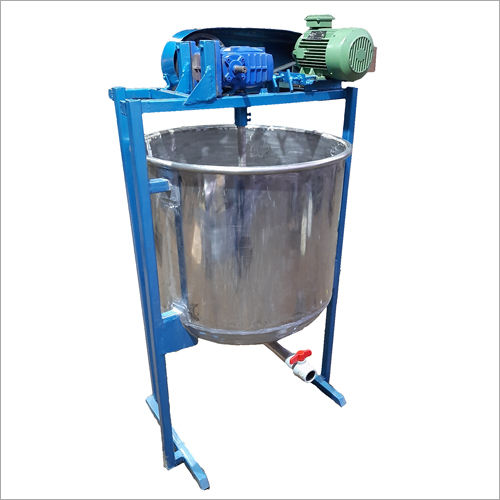
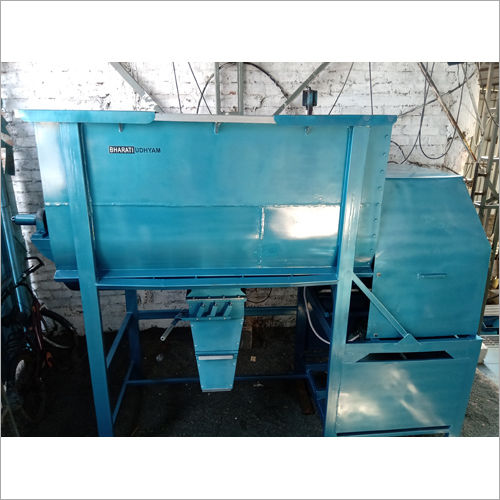
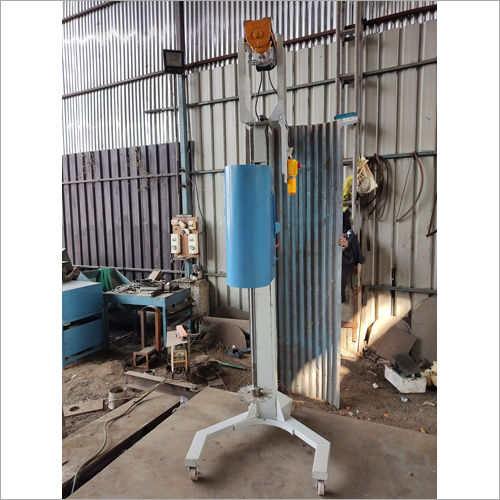
A Chemical Reactor is a core process equipment used to carry out controlled chemical reactions under specific temperature, pressure, and mixing conditions. It is widely used for reactions such as polymerization, condensation, neutralization, and synthesis. The reactor is designed with precise agitation systems to ensure uniform mixing and efficient heat transfer. Chemical reactors are used in industries such as pharmaceuticals, chemicals, petrochemicals, dyes, resins, fertilizers, and specialty chemicals. Technical parameters include working volume, operating pressure, temperature range, agitation speed, and material of construction such as SS304, SS316, or mild steel with lining. These reactors can be batch or continuous type and may include heating or cooling jackets for process control. They ensure consistent product quality, safety, and efficient reaction performance.
Designed for Diverse Industrial NeedsThe reactor is suitable for pharmaceutical, dye, resin, and food processing industries, meeting rigorous standards for safety and efficiency. Its thermal insulation and corrosion-resistant stainless steel design make it suitable for demanding chemical processes, offering reliable operation over a broad range of temperatures and pressures.
Enhanced Safety and Maintenance FeaturesSafety is prioritized through mechanical seals and pressure relief valves, while PTFE gaskets provide chemical resistance. The reactor is equipped with a top-mounted circular manhole for convenient access during cleaning. Mirror or matte surface finishes help maintain hygiene and simplify routine maintenance procedures.
Precision Mixing and Flexible OperationAgitator speed variability from 30 to 300 RPM allows precise control over mixing intensity-critical in industrial chemical synthesis. Its robust single-shaft agitator is engineered for uniform blending of diverse materials. Flanged DN50 inlets and outlets support standard process integration, and the voltage requirement ensures compatibility with industrial power supplies.
FAQ's of Chemical Reactor:
Q: How does the chemical reactor ensure consistent mixing for various applications?
A: The reactor utilizes a single-shaft agitator with adjustable speeds ranging from 30 to 300 RPM. This feature allows for tailored mixing velocities appropriate for pharmaceuticals, dyes, resins, and food processing, ensuring homogenous results regardless of the material being processed.
Q: What safety and sealing measures does the reactor offer during operation?
A: Safety is ensured through the provision of a mechanical seal, a top-mounted safety valve, and PTFE gasket material. These elements protect against leaks and maintain a secure environment at operating temperatures up to 200C and pressures up to 4 bar.
Q: When is thermal insulation particularly important in reactor use?
A: Thermal insulation is crucial when processing substances sensitive to temperature fluctuations. It maintains consistent internal temperatures, preventing heat loss and ensuring process stability, which is essential during reactions requiring precise thermal control.
Q: Where are the inlet and outlet connections located on the reactor?
A: The reactor is fitted with DN50 flanged inlet and outlet ports, positioned to facilitate efficient transfer of materials in industrial settings. This standardized sizing allows seamless integration with existing process lines.
Q: What is the recommended cleaning process for this chemical reactor?
A: Cleaning is simplified thanks to the reactor's mirror or matte surface finish and a top-mounted circular manhole with clamp. Operators can easily access the interior, allowing thorough maintenance and sanitation between production batches.
Q: How does corrosion resistance benefit long-term usage of the reactor?
A: Fabricated from high-grade stainless steel, the reactor offers robust corrosion resistance, minimizing the risk of contamination and equipment degradation. This ensures longevity and reliability in environments where harsh chemicals are processed.









 Send Inquiry

 Send Inquiry
 Send SMS
 Call Me Free


